pl
pl  en
en  de
de  es
es  fr
fr  it
it  pt
pt  ru
ru  sv
sv Selected categories:
Below is a list of Polish companies, along with a short profile, that offer the products or services you are looking for:
Coffee, tea, herbal tea - production and packaging
If you decide to contact them, please let the company know that you found their offer on Poland-Export – it will help facilitate future cooperation.


- Phone +48 (12) 277 17 00
- Fax. +48 (12) 277 17 09


ARTIFEX
62-081 Przeźmierowo
wielkopolskie, Poland
Astra Coffee and More Sp. z o.o.
62-330 Nekla
wielkopolskie, Poland


Bastek coffee & tea sp.j.
11-700 Mrągowo
warmińsko-mazurskie, Poland
Bean&Buddies Sp. z o.o.
03-826 Warszawa
mazowieckie, Poland
Belin
60-479 Poznań
wielkopolskie, Poland
CAFE SATI POLSKA Sp. z o.o.
82-500 Mareza
pomorskie, Poland
Cafenado
55-200 Oława
dolnośląskie, Poland
CELMAR Cafe
64-920 Piła
wielkopolskie, Poland
COMPANY SOURCE Sp. z o.o.
00-503 Warszawa
mazowieckie, Poland



Help needed ?
If you have not found the desired product, company, service or the searching results are not satisfactory for you, do not hesitate to contact us and tell what you are looking for or what you need. We will send your inquiry directly to the interested companies.
Write to us
See also industries
Did you know that:
The coffee and tea production and packaging market in Poland is a dynamically growing segment of the food industry, which is enjoying strong interest from both consumers and investors. The culture of drinking coffee and tea has a long tradition in Poland, and changes in consumer preferences, growing health awareness, and an increasing diversity of products are driving market growth.
COFFEE
Although Poland does not have the climatic conditions to grow coffee on an industrial scale, the coffee processing and production market continues to develop. In recent years, there has been a growing interest in high-quality coffee, which has led to the expansion of roasteries, artisanal brands, and modern production technologies.
No plantations – no problem
Due to its geographical location and climate, Poland does not cultivate coffee plants. Raw material – usually in the form of green coffee beans – is imported mainly from countries in South America, Africa, and Asia, such as Brazil, Colombia, Ethiopia, and Vietnam. These beans are then further processed in Poland: sorted, roasted, blended, and packaged.
Boom in coffee roasteries
In recent years, there has been a true boom in local coffee roasteries. Across the country, more and more small artisanal facilities are emerging, specializing in the “slow roast” method. Unlike industrial production, local roasteries focus on the quality of the raw material, precision roasting, and direct cooperation with growers.
Types of Coffee Produced in Poland (by form and processing):
-
Whole Bean Coffee
Most commonly roasted in Polish roasteries. Offered in various roast levels: light, medium, dark. Beans are sourced globally, but roasting and packaging occur in Poland. -
Ground Coffee
Produced from previously roasted beans. Available in various grind sizes – for espresso machines, drip methods, French press, etc. Often sold in vacuum-sealed or one-way valve packaging. -
Instant Coffee
Produced by large processing plants using spray-drying or freeze-drying methods. Often used in 3-in-1 or 2-in-1 products. -
Coffee Capsules
Growing in popularity among users of capsule coffee machines. Produced by Polish companies or packaged for the local market. -
Specialty Coffee
High-quality whole bean coffee, often single origin. Produced by artisanal roasters. Offered with descriptions of flavor notes, origin, processing method, etc. -
Flavored Coffee
Whole bean or ground coffee flavored with natural or artificial additives (e.g., vanilla, hazelnut, chocolate). Popular among consumers seeking alternatives to traditional flavors. -
Grain and Alternative Coffees
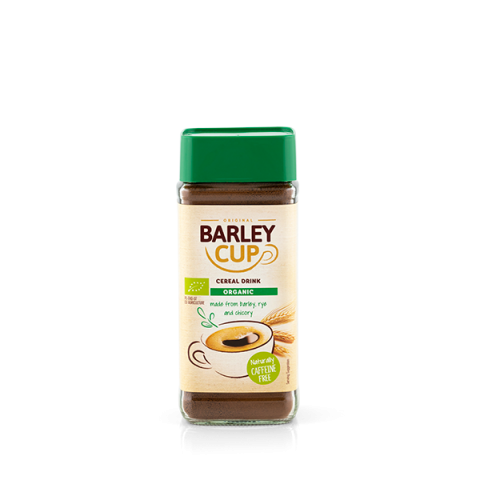
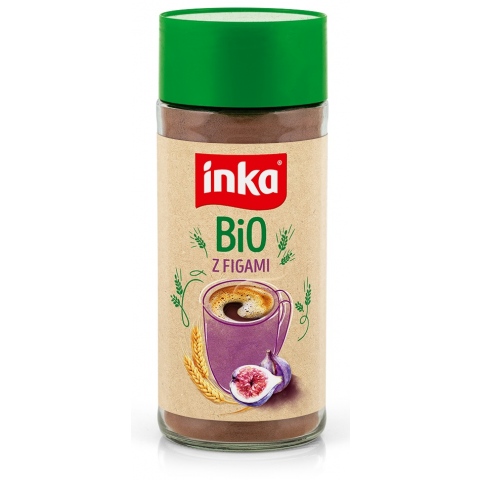
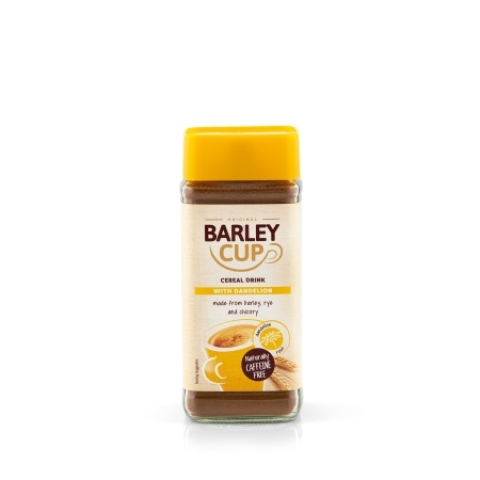
Though not made from coffee beans, these are popular in Poland (e.g., Inka – a grain coffee made from chicory, rye, and barley). Produced locally and exported abroad. -
Pre-mixed Coffees (3-in-1, 2-in-1)
Blends of instant coffee with sugar and powdered milk. Mass-produced. Especially popular in the vending sector.
Specialty Coffee – A New Quality Standard
In Poland, the specialty coffee segment is expanding – offering high-quality beans from specific regions and farms. More consumers are paying attention to origin, flavor profile, and processing method. This trend gives local producers and roasters a chance to stand out on the global market.
Technology and Innovation
Polish companies are investing in modern coffee roasting and packaging technologies. The market now features advanced roasting machines, quality control systems, and eco-friendly solutions such as biodegradable packaging and sustainability certifications (Fair Trade, Rainforest Alliance).
TEA
Like coffee, tea has a long-standing tradition in Poland, and its consumption remains high. Poland is one of the largest tea-consuming countries in Europe, with demand growing, especially for premium, organic, and herbal teas. While Poland does not cultivate tea, it has numerous producers who import tea from various regions, including China, India, Sri Lanka, Kenya, and Taiwan. Packaging and distribution take place domestically.
In recent years, the Polish tea market has seen growing interest in new flavors and types of tea, including fruit teas, herbal teas, and blends inspired by global tastes. In response, Polish companies have begun offering a wide range of flavored, functional (e.g., teas with health-boosting herbs), and organic teas.
Types of Tea Produced in Poland:
-
Black Tea
The most popular tea type in Poland. Imported leaves are packaged, blended, and flavored locally. Available as loose leaf, bagged, or granulated tea. Popular variants: plain black tea, Earl Grey (with bergamot), black tea with lemon or spices (e.g., ginger). -
Green Tea
Increasingly popular among health-conscious consumers. Available in loose or bagged form. Often enriched with jasmine, fruits, mint, etc. -
White Tea
Less popular than black or green tea but offered by many Polish brands. Delicate in flavor, often sold with floral or fruity additives. -
Red Tea (Pu-erh)
Imported from China but often blended and packaged in Poland. Frequently combined with citrus or herbal aromas. Popular among those focusing on weight loss and metabolism. -
Fruit Tea (Fruit Infusions)
Technically not tea, but commonly referred to as such. Produced locally from dried fruits, flowers, and citrus peels. Poland is one of the largest producers of this type of infusion. Popular flavors: raspberry, cherry, cranberry, rosehip, strawberry, apple, blackcurrant. -
Herbal Teas
Infusions from herbs such as mint, chamomile, lemon balm, nettle, fennel. Often made from locally sourced Polish herbs. Some have medicinal applications. -
Functional Teas
Blends of herbs, teas, and additives with specific purposes: for digestion, relaxation, pregnancy, immunity. Produced by herbal and tea companies. -
Flavored and Aromatized Teas
Black, green, or white teas with natural or artificial flavors. Examples: green tea with jasmine and mango, black tea with vanilla and cinnamon, tea with rose and lavender petals. -
Iced Teas
Ready-to-drink beverages made from tea extracts. Produced by Polish beverage companies.
Challenges and Growth Perspectives
The coffee and tea market in Poland faces several challenges, including increasing competition, pricing pressures, and the need to adapt products to changing consumer preferences. A key trend is growing environmental and health awareness, which is driving the popularity of organic, ecological, and fair-trade products.
In addition, innovations in packaging (e.g., biodegradable or compostable materials) and a focus on sustainability in production and distribution will be crucial for the market’s future. The growing interest in modern consumption formats, such as capsule coffee, take-away coffee, and specialty cafés, will also shape this sector's development.
The coffee and tea market in Poland has a promising future. Given the increasing diversity of consumer preferences, product innovations, and the emphasis on quality and sustainability, Poland’s beverage production and packaging market is poised to become even more competitive and diverse.
Our partners