
 pl
pl  en
en  de
de  es
es  fr
fr  it
it  pt
pt  ru
ru  sv
sv
Exporting goods to foreign markets requires not only efficient logistics and knowledge of local needs, but also the preparation of proper documentation in the target languages. Neglect in this area may result in delays, additional costs, and even administrative penalties.
Scope of translations - what needs to be translated?
The following categories of documents are usually subject to translation:
- Commercial invoices, bills of lading, and customs declarations - these are the basic operational documents. Incorrectly translated data (e.g., incorrectly converted units and currencies) may result in the goods being detained during customs clearance, and at a later stage - returns from customers.
- Certificates of origin, quality, safety - e.g., CE certificates, necessary for introducing products in the EU. These documents must be translated in accordance with local requirements.
- User manuals, safety data sheets (SDS) - especially in the technical and chemical industries. Directive 2006/42/EC requires instructions in the official language of the country to which the goods are sent.
- Commercial agreements, licensing agreements, financial reports - often a sworn translation is required, i.e. certified by a sworn translator. Only then do the documents have legal force.
- Labels, packaging, user instructions - according to the EU General Product Safety Regulation (known as GPSR), they must be understandable to consumers in their language.
- Marketing materials - not required by regulations, but necessary to effectively reach customers abroad.
Some countries accept documents in English, while others, such as China, Russia, Brazil, or Egypt, require a local language version. To determine which documents require translation (ordinary or sworn) into the local language, it is best to contact the recipient of the goods or the local customs agent in the destination country.
Why is the accuracy of translations crucial?
First and foremost, in this way you will effectively fulfill the obligations arising from legal regulations. For example, rules for developing CE markings, the MDR regulation or the Machinery Directive require the provision of documents in the language of the country of sale, fully understandable for the user.
No less important is trust in your brand and the products or services offered. Thanks to reliable translations, you will build a professional image that will certainly facilitate and accelerate the acquisition of new customers.
How to translate documents?
Some companies choose to hire their own employees for this purpose, but the safest and fastest option would be to choose a professional translator or a translation agency. Make sure that the translation provider:
- knows the industry terminology relevant to the translation: especially if it is a legal, technical, financial or medical text; for this purpose, you may, for example, request the translator's CV;
- has the rights of a sworn translator, if required by your documentation;
- provides native speaker correction, editing, and quality control based on proven processes, e.g. in accordance with ISO 9001 or ISO 17100 standards, offered by reputable translation agencies;
- ensures information security and eliminates the risk of data leakage, which in the case of translation agencies is confirmed by, among others, the ISO 27001 certificate.
Such a service will eliminate the risk of errors, ensure compliance with requirements and allow entry into new markets without delays.
Summary
Export translations require:
- knowledge of local regulations regarding transport, technical and customs documentation required in a given country;
- use of experienced translators with the appropriate specialization;
- use of sworn translations (in some cases) and in accordance with the relevant regulations.
Studio Gambit is a partner with over 30 years of experience offering export translations in over 70 languages with quality control carried out by native speakers. Our services also include AI-supported translations and meet stringent requirements, as confirmed by ISO 9001, ISO 17100 and ISO 27001 certificates. Thanks to this, we guarantee proven implementation processes, full terminological consistency, compliance with local regulations, and timely execution.
Check out our offer: Studio Gambit - export translations for every industry. Do you have questions or need a quote? Contact us.
- Transport Technology
- Economy
- Export
- International cooperation
- Construction sector - Joinery, engineering and building architecture
- Agriculture, Food
- Regional development, investment in Poland
- What's worth knowing
- Company Profiles
What's worth knowing
Translation of export documents - what needs to be translated and how?
.png)

Source: https://www.poland-export.com

See also:

Chocolate and chocolate products from Poland
For years, Poland has been strengthening its position as one of the key exporters of chocolate products in Europe. Chocolate exports constitute an important segment of Polish foreign trade and cover a wide range of chocolate products
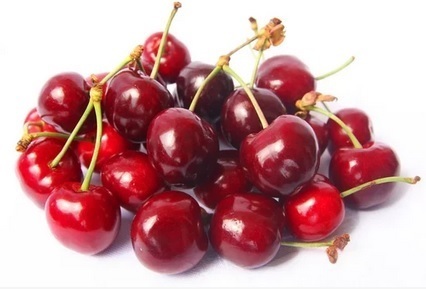
Cherry Export. Polish Cherries Around the World
The export of cherries from Poland is playing an increasingly important role in the international fruit market.

Cosmetics export. Cosmetics from Poland
The export of cosmetics and toiletries from Poland is developing at a dynamic pace, thanks to which Poland has gained the status of one of the leaders in the production and sale of these products in Central and Eastern Europe

Export of Windows: Window Joinery from Poland
Poland has been playing an important role on the international window market for many years, being one of the largest window exporters in the world.
FTA - Free Trade Agreements: Do They Exist and Can They Lower Tariffs?
Free Trade Agreements (FTAs) are key tools in international trade policy, aimed at reducing trade barriers...


Help needed ?
If you have not found the desired product, company, service or the searching results are not satisfactory for you, do not hesitate to contact us and tell what you are looking for or what you need. We will send your inquiry directly to the interested companies.
Write to us


Our partners
Featured companies the export industry
Conhpol
Stanisław Dolny 400A
34-130 Kalwaria Zebrzydowska
Phone+48 (33) 876 76 66
Fax.+48 (33) 876 70 17
Fax.+48 (33) 876 70 17
.jpg)
S plastic Sp. z o.o.
ul. Jaskółek 16
43-215 Studzienice
Phone+48 (32) 449 00 00
KRA-BOX Adam Krasieńko
ul. Mrówcza 94B
04-762 Warszawa
Phone+48 (22) 615 21 61
Fax.+48 (22) 615 66 62
Fax.+48 (22) 615 66 62
Tulilo Sp. z o.o.
ul. Wapienicka 4B
43-382 Bielsko-Biała
Phone+48 664 197 845
Metal Design
Aleja Marszałka Józefa Piłsudskiego 70
18-400 Łomża
Phone+48 502 467 201